
Guides
7 points on locksmith equipment and setup that matter
Locksmith equipment follows the service mix, not the other way round. Van layout, key machines and blank inventory each answer a different question.
What to take away
- Equipment follows the service mix. Deciding tooling first is how a van fills with things that turn over once a year.
- Three inventories live in the van and behave differently. Tooling is bought rarely, consumables reorder on a cycle, hardware turns with the local building stock.
- Key machines split by job, not by brand. Duplication copies a key; code cutting produces one from a bitting.
- Van layout is a safety question. Everything in the load space is either restrained or a projectile.
Every item in a locksmith van exists because of a decision about what work the business accepts. A list that arrives before those decisions is somebody else's list.
What each service family demands
Residential mechanical work asks for a broad key blank range in the keyways local housing actually uses. Add a full-depth pin kit with springs and top pins, a duplicator, door and frame hand tools, and common cylinders in the two or three finishes people ask for.
Commercial mechanical work adds:
- mortise cylinders and lock bodies
- higher-grade cylindrical locksets
- exit device and closer parts
- interchangeable cores with their control keys, in many buildings
- a code machine, because commercial systems are specified by bitting rather than copied from whatever key is in hand
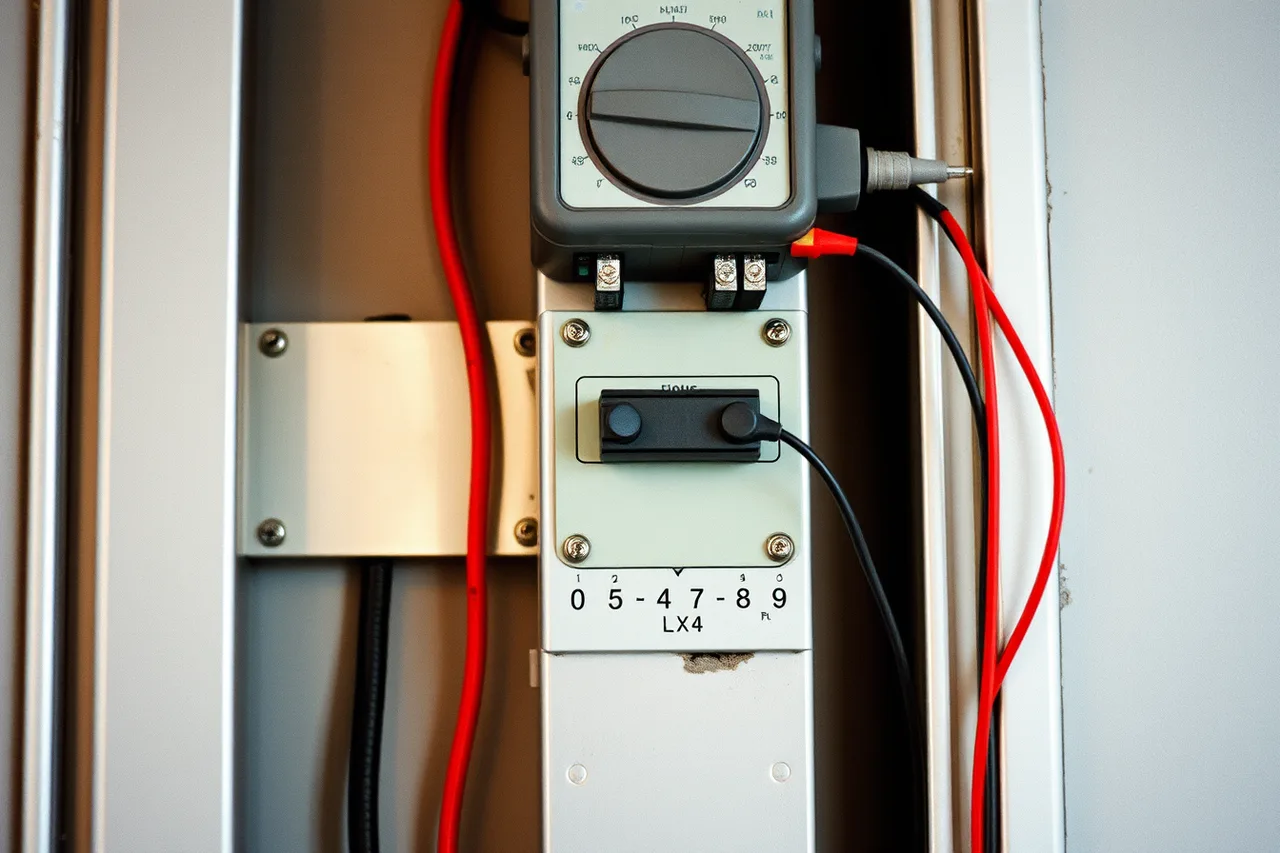
Access control work is closer to light electrical fit-out:
- electric strikes and electromagnetic locks
- power supplies and request-to-exit devices
- door position switches, cabling and terminations
- meters and test equipment
It also brings a documentation load. Every opening carries a fail safe or fail secure decision with egress consequences to confirm with the local authority having jurisdiction.
Automotive work brings programming equipment and subscriptions, blanks and shells by vehicle family, and the strictest ownership evidence process on the menu. Safe servicing brings its own tooling, competence and insurance conversation. It is the family most often taken on before a shop is ready for it.
The three inventories
| Inventory | Buying pattern | What it ties up | Signal it is wrong |
|---|---|---|---|
| Tooling | Rarely, deliberately | Capital, not cash flow | A machine used less than monthly |
| Consumables | On a reorder cycle | Modest, continuous | Job stopped for a pin size or spring |
| Hardware | Against local demand | The most cash, quietly | Cylinders aging in an unpopular finish |
Most shops manage tooling carefully and let the other two drift. Hardware is where the money actually sits. Set a minimum and maximum per line, review it against what left the van last quarter, and write off a finish nobody asks for rather than restocking it from habit.
Consumables deserve a rule rather than a glance. Running out of a pin size mid-job costs a return visit, and that visit costs far more than carrying the part.
How the machines divide
Duplication copies an existing key. It is fast, it is what a counter runs on, and it inherits any wear already in the original. A key cut from a worn key is slightly worse, and a copy of that copy is worse again. That drift is a real callback cause.
Code cutting produces a key from a bitting specification. It is what commercial systems require, what lets you originate a key when no good sample exists, and what makes master keying practical.
Beyond those two, additions follow the mix: core pinning equipment for interchangeable core work, programming equipment for automotive credentials, bench tooling for hardware repair. Buy each against a named service line rather than against a feeling of completeness.
Arranging the vehicle
Restraint comes first. Anything unsecured in a load space becomes a projectile in a stop, and battery tools, pin kits and hardware boxes are all heavy enough to matter. The hazard approach the OSHA safety program guidance describes is the right frame: find the hazard, fix it, then check the fix held.
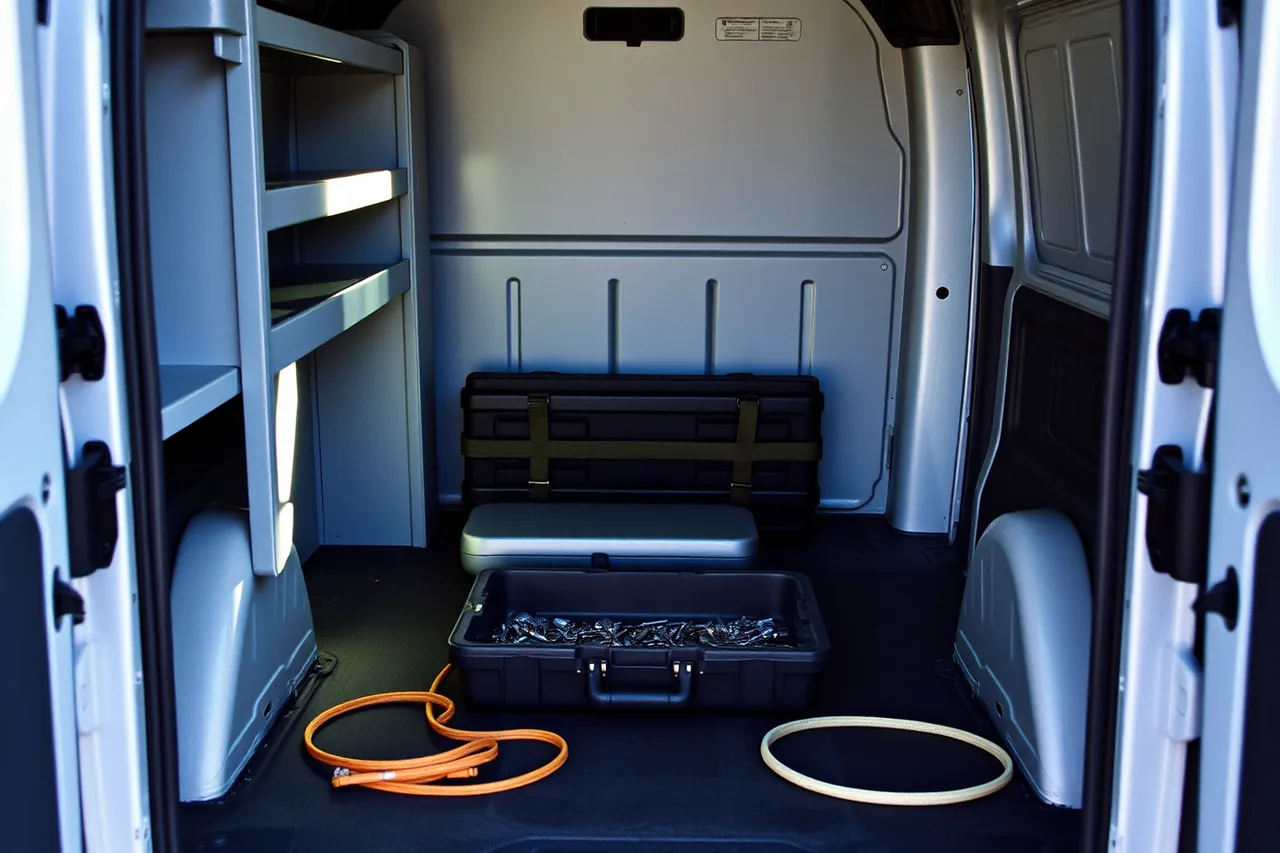
Retrieval comes second. Every item wants one home, and the test is whether a technician finds it in the dark and in the rain. Labeled bins beat memory, and a written stock list beats both when someone else restocks the van.
Security comes third. The van holds blanks, tooling and sometimes keying records for customer sites. Treat the load space as a store, and treat customer keying records that travel as documents rather than notes.
Setting up the record side
The same week the van is stocked, decide where job files, authorization evidence and keying records will live, and who may see them. A business doing master keying holds information describing how a building's keying is arranged. That is not material for a glovebox.

The IRS position on business records sets a workable general standard: choose your own system, so long as it clearly shows what happened. Apply it to key issue logs and authorization files as well as to invoices.
What the equipment lets you claim
Equipment sets the honest boundary of your advertising. If your programming equipment does not cover a vehicle family, your coverage claim cannot either. If you carry blanks for three keyways, the same-visit promise covers those three. The FTC advertising guidance for small business expects claims of that kind to be substantiated, and the equipment is the substantiation.
Make the link between load list and promise explicit when the menu is written, which is the subject of the locksmith services and packages guide. It is also why the mix decision in the locksmith startup and market guide comes first. Buying, financing and replacing equipment is covered generally by the Small Business Administration business guide.
Reviewing the setup
Once a quarter, run three questions against the van. Which items have not moved at all? Which jobs stopped or returned because something was missing? Which items are carried because they were bought rather than because they are used?
The first finds dead capital. The second finds the gaps costing you second visits, and it is worth more than the first. The third is uncomfortable and usually the one that changes behavior.
Common questions
Do I need a code machine to start?
Not for residential rekeying and duplication, which a good duplicator and a full pin kit carry. You need one when commercial systems, master keying or origination without a sample key enter the mix.
How many key blanks should a new van carry?
Depth in the keyways your local buildings use, rather than a wide shallow range. Ask two local suppliers what moves. Depth in three common keyways prevents more return visits than one blank in fifteen.
Should the van carry hardware or order it per job?
Carry the items whose absence causes a second visit and order the rest. Compare the cost of a return trip against the cost of carrying the part for a quarter.
How often should tooling be replaced?
On condition rather than age. Worn cutting equipment produces keys that work today and fail next month, which is one of the harder callback causes to diagnose. Put a check on the calendar rather than waiting for a complaint.