Guides
Wildfire Season Locksmith Service Calls in the West: Smoke, Ash and Lock Damage
How Western US locksmiths handle wildfire season call surges, ash and smoke damage to locks, and evacuation-zone access work in fire country.
What to take away
- Wildfire season sends locksmith demand up in two wavesa pre-evacuation rush for re-keys and hardware checks, then a return wave of ash, heat, and smoke repairs.
- Fine ash acts like abrasive grit inside a cylinder, so dry PTFE or graphite works better than wet oil that turns residue into paste.
- Heat distorts frames, strikes, and closers, so alignment work often matters more than the lock body itself.
- Entry inside an evacuation zone depends on official clearance from the incident command post, not on a homeowner's phone request.
How wildfire season reshapes call volume
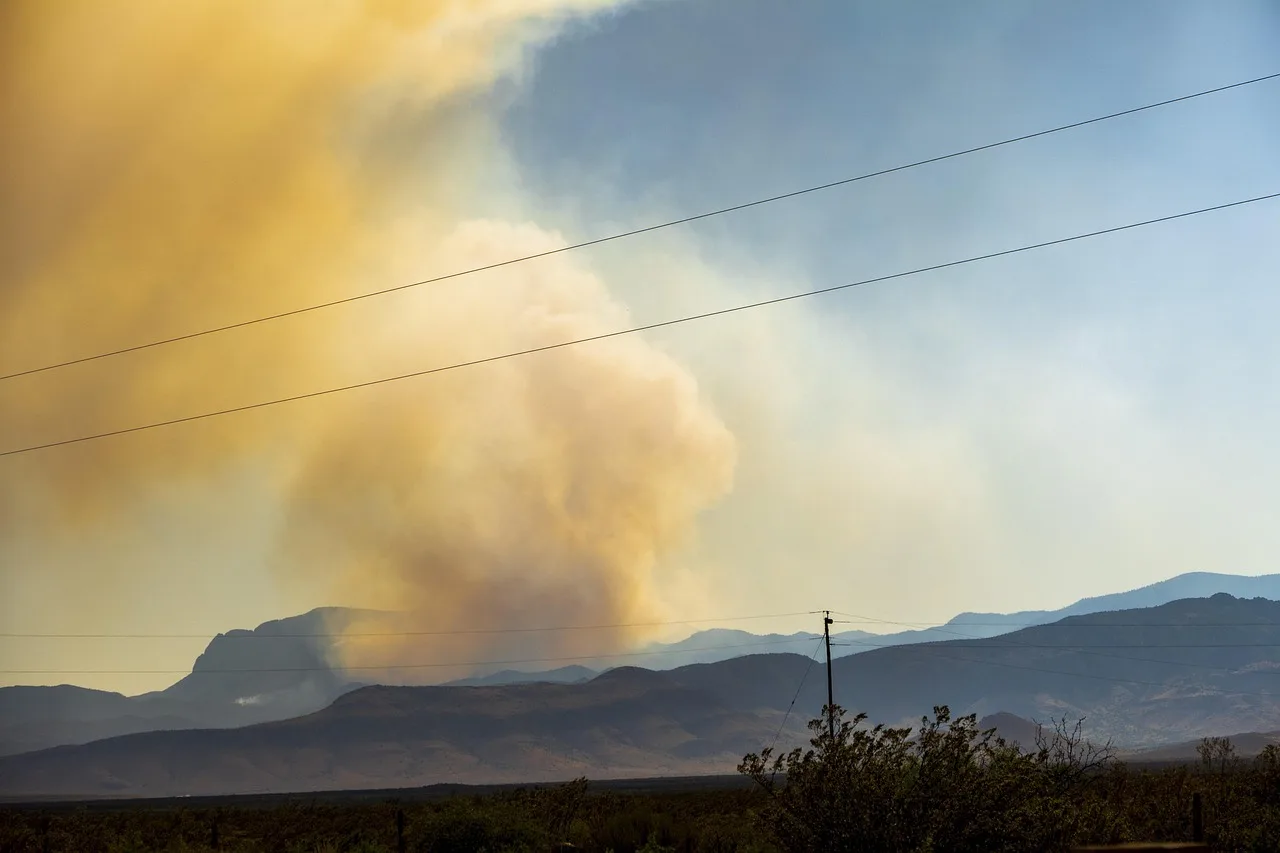
Wildfire season in the West does not lift call volume evenly. It creates spikes that follow evacuation warnings, red flag notices from the National Weather Service, and the public safety power shutoffs California utilities have used since 2019. Dispatch boards in Sonoma County, Paradise, Talent, and Boulder County fill within hours.
Wildfire call volume waves
- Before evacuationgate re-keys, safe checks, latch repairs
- During evacuationaccess work in repopulation zones
- After returnash on surfaces, locks no longer turn
The first wave is preparation. Homeowners ask for gate re-keys, safe checks, and sliding door latch repairs before they leave. The second wave arrives when they return and find ash on every surface and locks that no longer turn freely.
Storm work on the coast follows a different clock. Texas Gulf Coast hurricane demand rises before landfall, pauses during the storm, and then surges through flood recovery. Western fire work is driven by heat, dryness, and wind, so damage shows up as grit, warped frames, and residue instead of soaked electronics.
Crews that also work cold climates keep a separate playbook. Winter locksmith service call work in Canada requires a temperature check before any de-icing, because alcohol sprayed on a frozen cylinder can crack it. Wildfire calls share the rushed schedule but not the chemistry.
Ash, smoke and heat damage by hardware type
Ash from a structure fire is alkaline and abrasive, and it reaches hinges, closers, and cylinders that a broom never touches. Deadbolt assemblies fail early because the bolt travels through a frame that may have shifted. The basics of deadbolt hardware explain why a bolt that clears by a millimeter in mild weather can bind after a hot, dry week.
Ash and heat damage by hardware
Damage pattern
- Grit inside cylinder
- Fine ash packs pin chambers
- Key sticks or seizes
- Smoke residue plus old oil
- Bolt will not throw
- Heat warps frame, shifts strike
- Keypad misreads codes
- Ash covers pad, heat stresses board
- Pitted exterior hardware
- Ash plus firefighting water corrodes
Cause
- Grit inside cylinder
- Flush dry PTFE, cycle key
- Key sticks or seizes
- Degrease, then apply graphite
- Bolt will not throw
- Reset strike, check frame gap
- Keypad misreads codes
- Clean pad, test battery, swap module
- Pitted exterior hardware
- Dry, treat, replace pitted parts
Field fix
- Grit inside cylinder
- Key sticks or seizes
- Bolt will not throw
- Keypad misreads codes
- Pitted exterior hardware
| Damage pattern | What causes it | Field fix |
|---|---|---|
| Grit inside the cylinder | Fine ash packs into pin chambers | Flush with dry PTFE, cycle the key, re-lubricate |
| Key sticks or seizes | Smoke residue mixes with old oil into paste | Degrease with a dry solvent, then apply graphite |
| Bolt will not throw | Heat warps the frame and shifts the strike | Reset the strike plate, check the frame gap |
| Keypad misreads codes | Ash covers the pad and heat stresses the board | Clean the pad, test the battery, swap the module |
| Pitted exterior hardware | Ash plus firefighting water starts corrosion | Dry the part, treat it, replace what is pitted |
Example: a return-week inspection route
Example: a technician working a return week starts at the street side gate, brushes ash off the cylinder face, and drops a dry PTFE lubricant into the keyway. The key goes in and out ten times before the door is closed again. Every lock gets a photo and a note in the work order. Nothing is sprayed wet on a hot day.
Evacuation-zone access work, step by step
- Confirm the address falls inside an area with an official repopulation order or escort pass.
- Collect the work order number and the property owner's authorization before rolling.
- Check in at the incident command post or sheriff substation and take the assigned route.
- Work in pairs, carry photo identification, and log entry and exit times.
- Photograph each lock before and after service, because adjusters request images.
- Leave the property secured with hardware at least as strong as what you removed.
Commercial buildings and egress hardware
Commercial doors must still latch, swing, and close on their own after a fire. NFPA codes and standards set the life safety and egress requirements a locksmith has to preserve when resetting a strike or swapping a closer. A door that stays propped open after repairs will fail an insurance inspection.
Protecting technicians from smoke
Wildfire smoke carries fine particulates that irritate lungs and eyes, and summer heat adds a second hazard. OSHA emergency preparedness guidance covers respiratory protection and heat stress planning for outdoor workers. Trucks heading into fire country should carry spare filters, water, and a shaded break plan.