Guides
How a Locksmith Frees Frozen Car Locks on Canadian Winter Calls
A cold weather locksmith service call guide for Canada: temperature thresholds, frozen car lock steps, and when to stop and tow to a heated garage.
What to take away
- A Canadian winter service call begins with a temperature check, not a sales pitch.
- Graphite spray is a poor first choice below -15°C because it clumps inside the lock.
- For a frozen car lock in Winnipeg or Edmonton, warm the key or use isopropyl alcohol before trying force.
- Switch to a heat gun after three failed de-icing attempts.
- Local search demand for winter locksmith calls rises when cold holds below -15°C for two days.
In much of Canada, a winter call is a cold-weather call. A lock that works at -5°C may seize at -15°C when moisture freezes inside the cylinder.
What a Canadian winter removes
| Temperature or condition | What happens on a service call |
|---|---|
| Below -10°C and damp | Lock cylinder moisture can freeze, making tumblers stick. |
| Below -20°C | Light oil thickens, and graphite lubricant clumps instead of coating. |
| Wind chill below -30°C | Exposed hands lose dexterity within minutes, so fine picking slows. |
Moisture inside a lock freezes at 0°C, so the forecast low for the call matters more than the daytime high.
Repeated thaw-freeze cycles around -5°C to -10°C are the bigger problem, and at those temperatures condensation from a warm key or breath refreezes in the cylinder. Before dispatch, read the current temperature and overnight low for the city, and the Wind Chill Index page, through Environment and Climate Change Canada's weather resources page.
The hard climate rules out standard graphite spray as a first fix. Graphite powder works in moderate conditions but turns to paste in cold, adding resistance.
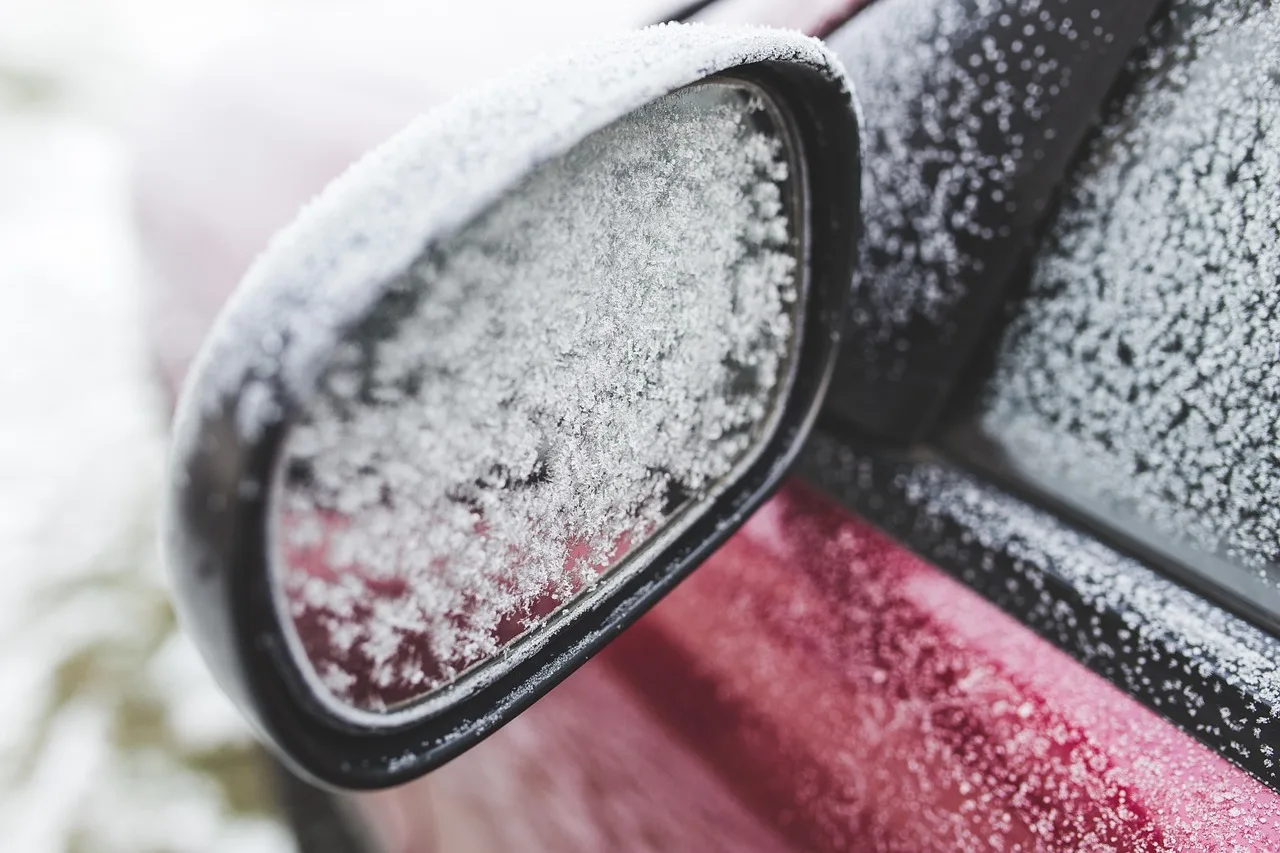
It also rules out forcing a key into a frozen ignition, which bends or breaks the key before the ice lets go. In Edmonton, a -25°C morning after an overnight snowfall can turn a door lock into a solid block.
Winter dispatch and pricing rules
Winter demand follows the forecast. When the overnight low holds below -15°C for two days, search demand rises and the phone queue grows. Add a second technician to the night shift, and load every van with de-icer, isopropyl alcohol and a charged heat gun.
Dispatch on three facts: the hour, the drive, and whether the driver can move the car to a heated garage. A ten-minute curbside opening becomes a two-trip job if the customer waits outside in that cold.
Price winter work from your own rate card. Set one after-hours rate, apply it to every cold-weather call, and say the number before you send anyone. A stated winter rate is easy to defend.
What still works in a cold-weather service call
What still works
- Confirm the vehicle is locked out and not just frozen around the keyhole.
- Warm the key with a hand warmer for 30 seconds, then try the lock once.
- If the key turns but the latch does not move, spray a small amount of isopropyl alcohol into the cylinder.
- Wait 15 seconds, insert the key, and turn gently without side pressure.
- If the lock opens, dry the key and advise the owner to park the car in a heated garage overnight.
A cold-weather locksmith still carries reliable tools. Isopropyl alcohol at 99% concentration does not add water and melts ice on contact.
A cordless heat gun or a key warmed in your hand can free a car lock without damage. A thin wedge and an air bag still work on a frozen door frame if the rubber seal is not brittle.
Cold-Weather Car Lock Opening Steps
- Confirm vehicle is locked out
- Warm key with hand warmer 30 seconds
- Try lock once
- If latch stuck, spray isopropyl alcohol
- Wait 15 seconds, turn gently
- If open, dry key and advise heated parking
For a full seasonal pattern, read Winter lock failures which covers similar freeze-thaw damage in the US Midwest.
Compromises worth making
Advantages
- Accept a slower opening time to warm the lock gradually instead of prying.
- Suggest the customer put a plastic bag over the lock overnight to keep moisture out.
Drawbacks
- Use an isopropyl-based de-icer spray and a 12-volt hair dryer for door locks when a heat gun is too hot for paint; the spray adds a chemical smell but no water.
In Winnipeg, a service call at -28°C is not the day to test a new lock pick. Warmth beats speed.
These compromises keep the call moving without damaging the lock or the customer's door. For after-hours winter calls, see After-Hours Locksmith Service Calls to set a dispatch rule before the phones get busy.
Compromises that are not worth it
Some cold-weather workarounds create more callbacks. Do not use hot water on a frozen lock: it melts the ice, then refreezes as a thicker layer inside the cylinder. Do not spray WD-40 into a lock at -15°C; the solvent can wash away factory grease. Do not leave a vehicle running with the key in the ignition and doors locked.
Worth It vs Not Worth It
Compromise
- De-icer spray
- Use, accept chemical smell
- Opening speed
- Accept slower warming
- Heat source
- Carry 12-volt hair dryer
- Vehicle running
- Keep key accessible
Avoid
- De-icer spray
- Do not use hot water
- Opening speed
- Do not pry
- Heat source
- Do not spray WD-40 at -15°C
- Vehicle running
- Do not leave running with doors locked
For another comparison of cold-weather tool rules near the border, see Cross-border locksmith work.
When to stop and do it properly
Set a cutoff: stop the workaround after three de-icing attempts with isopropyl alcohol, or when wind chill drops below -30°C. Then use a heat gun on low to warm the lock body for 60 to 90 seconds and try the key once.
If the lock still will not turn, call for a tow to a heated garage. More alcohol adds moisture and time without improving the odds.
Working in cold weather can numb fingers within minutes if wind chill is below -25°C. This threshold is the point where extra spraying becomes a frozen-lock lottery.
Example: Winnipeg frozen car lock
A customer calls from a Winnipeg shopping center at -27°C because the driver's door lock will not accept the key. You arrive and find frost around the keyhole; warm the key, spray isopropyl alcohol, wait, and turn.
The lock opens on the second attempt; tell the customer to move the car to a parkade and leave the lock dry. This is normal, not an emergency repair.
For a breakdown of why urgent winter work is priced differently, see Emergency Locksmith Service Calls.