
Guides
Setting up a locksmith business: the equipment checklist
A locksmith equipment checklist is worth more as a verification list than a shopping list. Tick each item only when it is present, stowed and known to work.
What to take away
- This is a verification list, not a shopping list. An item counts when it is present, has a fixed home in the vehicle, and has been shown to work.
- The groups are ordered by what happens when the item is missing, which is what decides van or shop.
- No brands or models appear. Those belong to your supplier conversation and your service mix.
- Run it at handover to a new technician as well as at fit-out. Most stock failures are restocking failures.
A checklist run once at purchase is a receipt. Run again at every handover and after every restock, it is a control.
Cutting and keying
- Duplicator, tested against a known-good key and checked for jaw and cutter wear
- Code machine if commercial or origination work is in scope, with current depth and space data
- Full-depth pin kit with top pins, master pins and springs for the systems you service
- Key gauge, depth keys and a micrometer or caliper for checking cuts
- Key blanks by keyway, in depth rather than as a wide shallow range
- Core pinning tooling and control keys if interchangeable core work is in scope
- Deburring and finishing tools, so a cut key leaves the van smooth
Hardware carried
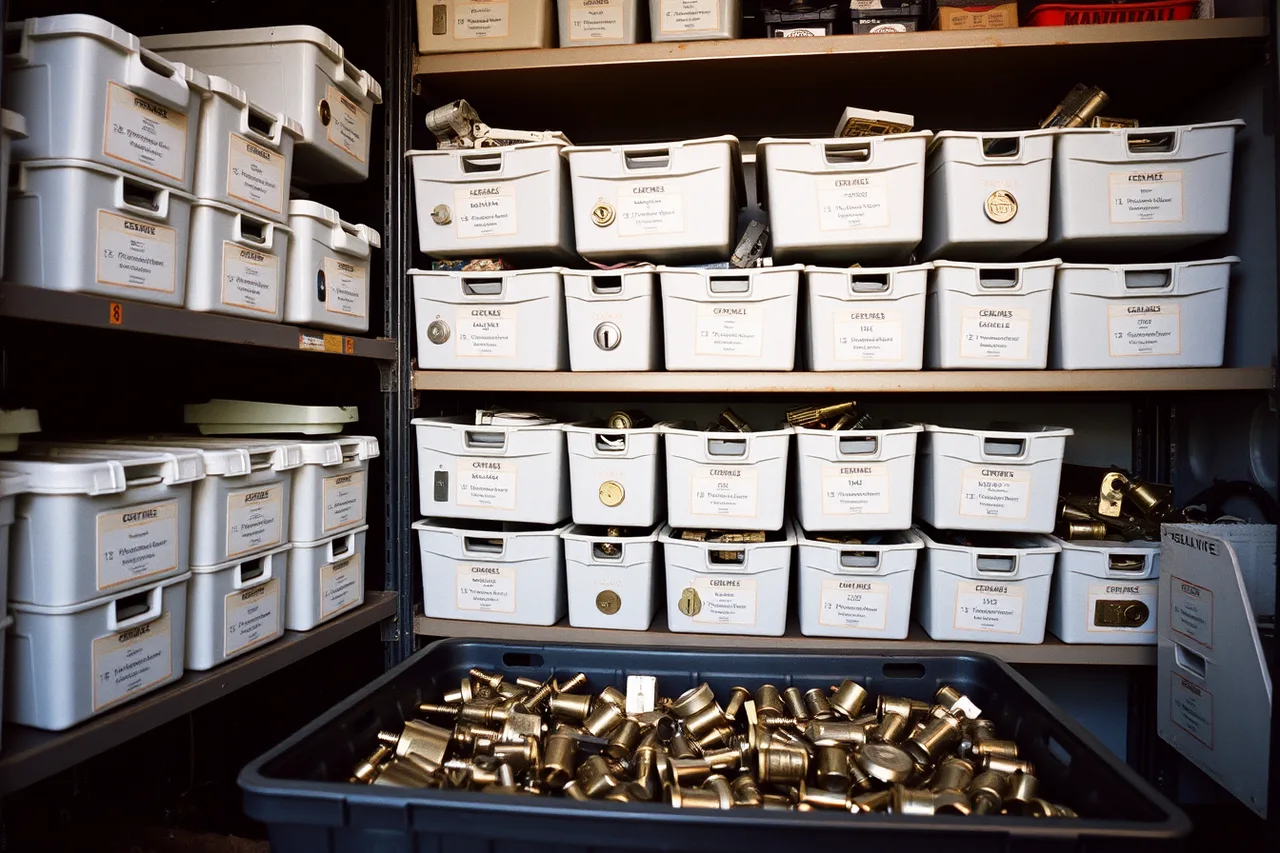
- Cylinders in the common functions and the two or three finishes your area asks for
- Deadbolts, latches, strikes and screws suiting varying door thicknesses
- Cabinet, mailbox and auxiliary cylinders, small and cheap and often the reason for a second trip
- Closer and exit device consumables if commercial work is in scope
- Electric strike and power supply stock only if access control is genuinely part of the business
Hand tools and access to the work

- Cordless drill and driver, charged spare batteries, and a charging arrangement in the vehicle
- Drill index in good condition, plus hole saws and bits sized for the hardware you fit
- Chisels, files, a mallet and the layout tools for hardware installation
- Door and frame alignment tools, since many lock complaints are alignment complaints
- Step ladder appropriate to the openings you work on
- Task lighting that works without being held
Safety and site
- Eye protection, gloves and hearing protection, in sizes people will actually wear
- First aid kit, checked and in date
- Fire extinguisher appropriate to the vehicle, inspected
- Wheel chocks, cones or signage if you work on forecourts and driveways
- Dust control for drilling in occupied premises
A hazard walk-through of the vehicle and of a typical job, then a fix, then a check that the fix held, is the pattern the OSHA safety program guidance recommends. It fits a one-van business as readily as a large one.
Records and paperwork
- Job file format, on paper or on a device, with a field for the authority evidence accepted
- Key issue log, so keys handed over are recorded against a person and a date
- Blank invoice or quote format that states scope and exclusions
- Secure storage for customer keying records that travel with the vehicle
- A written stock list matching the bins, so restocking does not depend on memory
The IRS guidance on business records puts the standard plainly: choose a system, and make sure it clearly shows what happened.
Vehicle and load
- Every heavy item restrained, nothing loose in the load space
- Bins labeled and each item assigned one home
- Load security appropriate to what the van contains overnight
- Livery that matches your claims, since the FTC expects advertising claims to be substantiated
- Vehicle documentation, insurance and permits carried where they can be produced
Using the list well
Run it at three moments:
- At fit-out, to confirm that what was bought is what arrived.
- When a technician starts, so their idea of a stocked van matches yours.
- After any week that produced a return visit for a missing part. The list is wrong, and the return visit just told you where.
The reasoning behind each group sits in the locksmith equipment and setup guide. Where fit-out falls in the launch order is in the startup sequence for a locksmith business. Handing the list to a second person is a training exercise, and the locksmith hiring and training guide covers how the sign-off should work.
Two items are jurisdiction-dependent and cannot be listed. One is the license, registration or bond documentation your state or city expects to be carried. The other is any signage rule that applies to a service vehicle. Confirm both with your own authorities using the approach in the locksmith licensing and compliance guide.
What you paint on the van must match what you can deliver, as the locksmith marketing and growth guide explains.
Common questions
How much of this is needed on day one?
The cutting group, a working subset of the hardware group, the safety group and the records group. The rest follows the mix as it settles. Buying the full list before you know your local keyways is the reliable way to own dead stock.
Should each technician have a full kit?
Each vehicle needs a complete working set. A technician returning to the shop for a common item is not mobile. Specialist tooling used occasionally can be shared, given a booking rule so two people are not hunting for it at once.
What is the most commonly missing item?
Across new shops, spare charged batteries and the right screws. Neither is expensive and both stop jobs. Second is a pin size that was used up and never reordered because nobody was counting.