
Guides
Locksmith startup model: mobile, counter or contract
Locksmith startup model choices compared: what mobile, counter, commercial contract and automotive work cost you, and what each needs before the first call.
What to take away
- The operating model sets your fixed costs, your travel burden and the place where the business breaks. Choose it before the parts list.
- Four models are on the tablemobile only, counter plus mobile, commercial contract focus and automotive focus.
- Each model changes what you must research and provelicensing, authority evidence and cash.
- Most start mobile, because the fixed burden is lower and the customer is where the lock is.
- Review the choice after a season of real jobs, and change one thing at a time.
Why the model comes first
Underneath, the choice of model is a question about travel. A mobile business sells drive time it cannot bill in full, and a counter sells floor hours it cannot fill on demand. Settle the model first, and the parts list argues itself out afterward.
No single national answer exists to how to start a locksmith business. A startup often grows from one direction: rekeying rental turnovers, a commercial hardware bench, or credential programming in a dealership. That direction quietly decides what the owner thinks the trade is.
The four models side by side
Vehicle, counter, or both
What it does well
- Mobile only
- Reaches the customer, no lease, lowest fixed burden
- Counter plus mobile
- Duplication and sales walk in, technicians go out
- Commercial contract focus
- Scheduled work, planned parts, fewer emergencies
- Automotive focus
- Deep tooling per job, defensible niche
What it costs you
- Mobile only
- Every hour of travel is an hour not cutting
- Counter plus mobile
- Rent, opening-hours staffing, stock in two places
- Commercial contract focus
- Longer payment terms, tighter documentation
- Automotive focus
- Equipment and subscription depth, strict checks
Where it breaks
- Mobile only
- Two calls at opposite ends of the area
- Counter plus mobile
- Slow counter days still carry the rent
- Commercial contract focus
- One account leaving takes a large share
- Automotive focus
- Vehicle coverage gaps you cannot service
Read the last column first. It names the day the model fails, and that is the day to plan for.
Mobile only
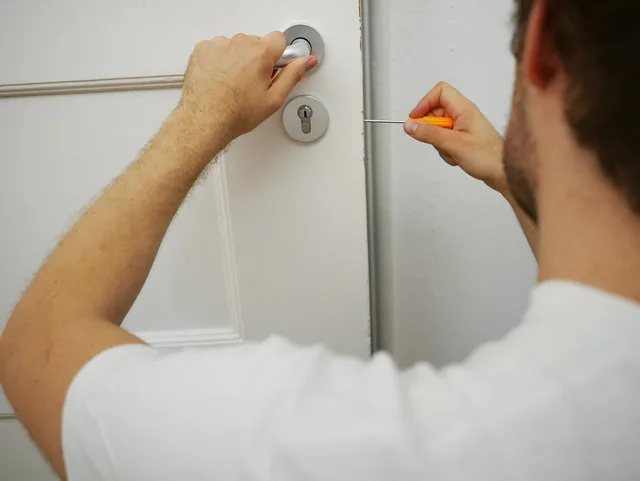
A mobile shop has no lease and the lowest fixed burden, but every hour of travel is an hour not cutting. Two calls at opposite ends of the area show the problem at once.
Pricing has to carry the drive, which is why trip charges belong in the plan on day one.
Stock is the other trap. Each service addition is defensible, but adding all of them in year one is how a new shop ends up with a van full of stock that turns over once. The equipment checklist helps you buy for the jobs you have rather than the jobs you imagine.
Counter plus mobile
A counter lets duplication and sales walk in while technicians go out. The cost is rent, staffing for opening hours and stock in two places, and slow counter days still carry the rent.
A counter earns its rent when duplication, blank sales and walk-in hardware sales cover the hours it is open. The test is evidence of that demand, not whether a counter feels more established. Count walk-in sales for a few weeks before you sign a lease.
Commercial contract focus
Contract work means scheduled jobs, planned parts and fewer emergencies. It also means longer payment terms and tighter documentation, and one account leaving can take a large share of the business.
Add commercial master keying and you are no longer selling a visit. You are taking custody of a keying schedule a building will depend on for years, and of the bitting records that describe it. The commercial service call checklist shows what a property manager expects to see on a call.
Automotive focus
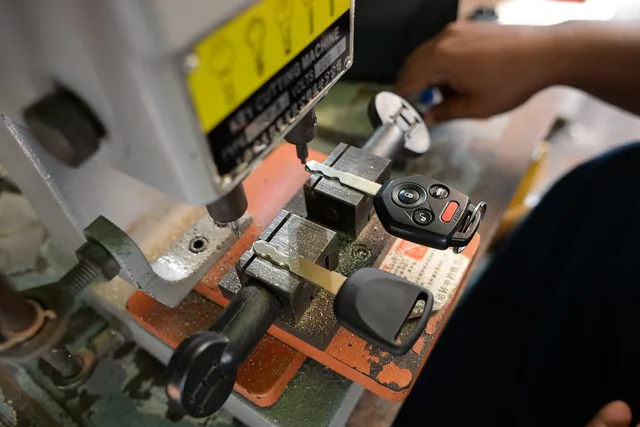
Automotive work brings deep tooling per job and a defensible niche, but the equipment and subscription burden is heavy and the checks are strict. It takes on transponder and proximity credentials, immobilizer programming and a much stricter proof-of-ownership process.
Its break point is coverage. A vehicle you cannot service is a call you turn away after the drive, so decide which makes and years you will support before you buy the tooling.
What every model must research
There is no federal locksmith license. Requirements vary by state and sometimes city, and the model changes who needs what.
Texas, for example, regulates locksmith companies through the Texas Department of Public Safety's Private Security Program under Chapter 1702 of the Texas Occupations Code. Elsewhere a state may license through a private security or alarm regulator, leave it to cities and counties, or require no trade credential.
Research is part of the startup plan, and its output is a dated record. Follow the steps for your location.
- Search your state regulator's official site for "locksmith license" and find out whether the business, the technicians or both need a license or registration.
- Check city and county clerk pages for local licenses and permits, and record the office.
- Ask the regulator whether a surety bond is required, and confirm insurance needs, including workers' compensation if you employ staff.
Jurisdiction Research Checklist
- State licensing board or private security regulator
- City or county clerk for local registration
- State revenue department for sales tax
- Secretary of state for entity registration
- Federal and state tax registration
The IRS also lists basic federal tax information for people who are starting a business.
None of those answers can be copied from an article, including this one. A two-year-old note that does not say who gave it is not evidence of anything. The wider routine is in the licensing guide.
Authority evidence changes with the customer
Every job needs a recorded answer to one question: who is entitled to direct work on this lock? Each model meets a different customer, so the evidence differs.
Proving Authority to Work
Who is entitled to direct work on this lock?
proceed and file the evidence
decline calmly per written procedure
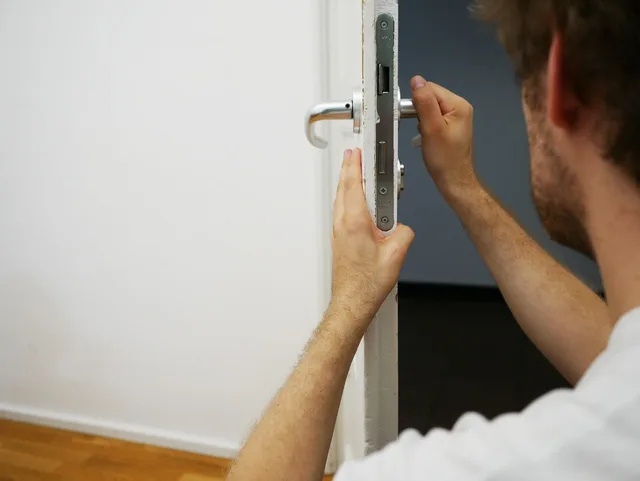
For a homeowner, identification matched to the address plus something showing occupancy. For a tenant, a lease or a work order from the property manager, with narrower scope than an owner may authorize. A commercial account needs a named signatory, not whoever is at the door, and a vehicle needs title or registration matched to identification.
Write the refusal into the procedure, not only the approval. A technician told in advance what to say when the evidence does not arrive will decline calmly. One who has not been told will improvise, and improvising under pressure is how a business ends up doing work it cannot defend.
Cash before you have quotes
Do not start from someone else's figures. Get quotes for your own service mix, then use the arithmetic below.
The Arithmetic Before Quotes
- Opening cashtooling + vehicle + deposits + setup + working capital
- Loaded hourly costwages + burden + vehicle + insurance + overhead / billable hours
- Billable hoursscheduled - travel - returns - admin - training
Startup cash needed equals one-time setup costs plus initial inventory plus an operating cash reserve. Hourly labor cost equals total labor cost divided by actual billable hours. For each job, compare the amount collected with parts, labor, travel, payment fees and its share of fixed overhead.
A rate that assumes every scheduled hour is billable produces a business that looks profitable on paper and is not. Wage inputs can be checked against the BLS program that produces wage estimates by occupation, and those estimates are available for states and metropolitan areas.
Live with the choice, then revisit it
Give the model a review date. After a season of real jobs you will know four things the plan could not:
- which hardware families actually came through the door
- how much of the day went to travel
- whether the commercial accounts you wanted answered the phone
- which calls you turned away for lack of evidence
Change one thing at a time when you revise. A shop that adds automotive, hires a second technician and moves into a unit in the same quarter cannot tell which change caused the result.
Common questions
Should I start mobile or open a shop?
Most start mobile, because the fixed burden is lower and the customer is where the lock is. A counter earns its rent when duplication, blank sales and walk-in hardware sales cover the hours it is open. The test is evidence of that demand.
Do I need a license to work as a locksmith?
It depends on your jurisdiction. Check the official state regulator and your city or county clerk. Record the credential, the application details, and the date and person who confirmed the requirements.
Which service should a new shop learn first?
The one your existing contacts already need. Building demand from nothing is much harder than serving people who already call you. Rekeying and residential hardware replacement are the usual entry point.
What is the most common mistake in the first year?
Quoting from a rate that assumes every scheduled hour is billable. Travel, no-access calls, wrong-part returns and administration all come out of the same day. Second is taking work without a recorded authority check because the caller sounded convincing.